PayPal available
apple pay available
google pay available
Skip to product information
1 of 10
PULSAR

Pulsar Merger LRF XP50 Thermal Imaging Binoculars

Pulsar Merger LRF XP50 Thermal Imaging Binoculars

Regular price £4,649.95
Regular price Sale price £4,649.95
£3,874.96 (ex. VAT)
Save £-4,649.95 Sold out In stock Coming Soon
Taxes included.

SKU: Product code: PUL-77465

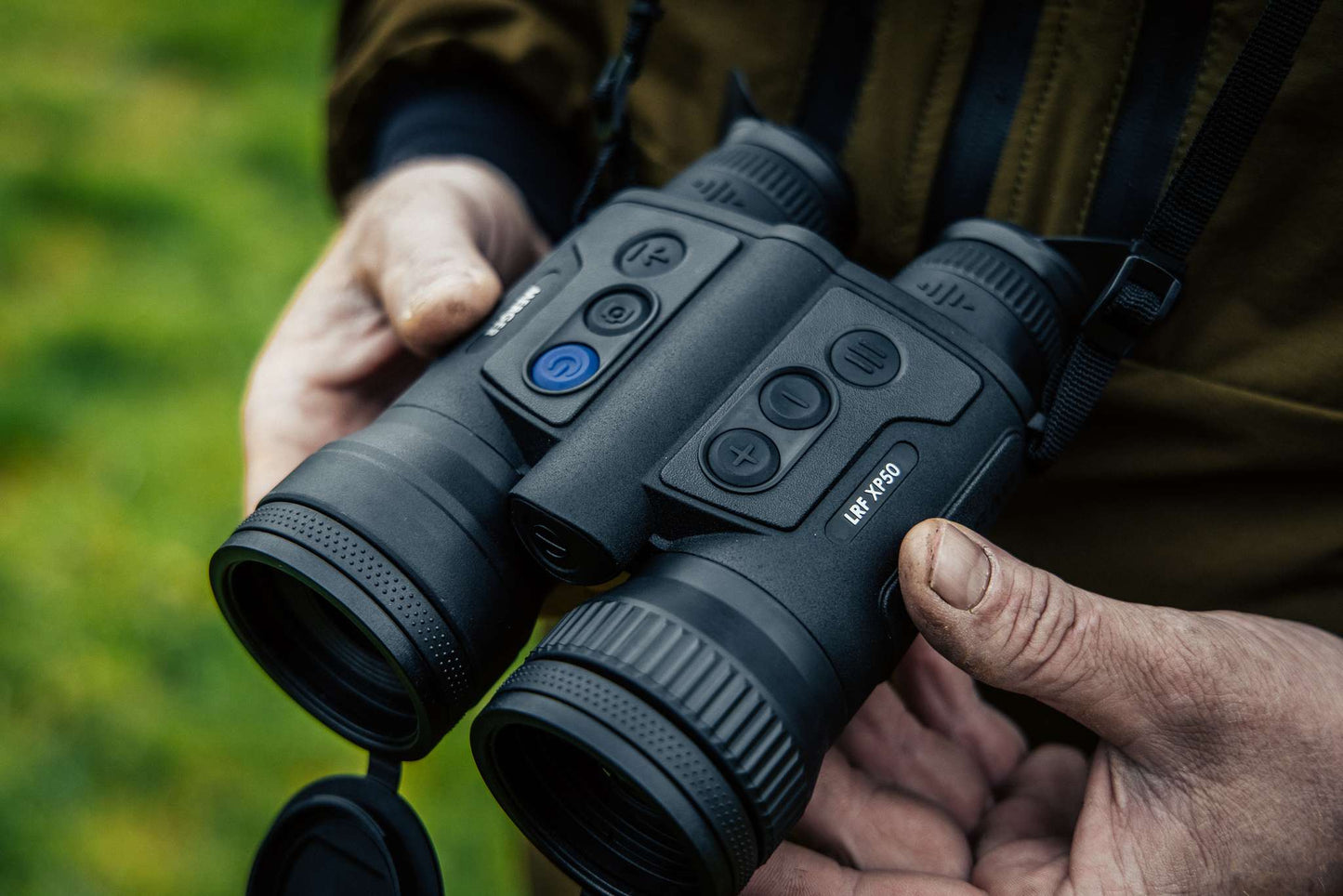
The all new Pulsar Merger LRF XP50 thermal imaging binoculars are built with the classic design of daytime binoculars. With a small form factor, these thermal imaging binoculars fit comfortably in the hand, but still offer appealing external aesthetics and exemplary ergonomics.

Merger features a state of the art sub 25mK NETD 640x480 thermal sensor, in an all new body shell with exemplary ergonomics, twinned with an F50/1.0 all new lens system and an HD AMOLED display to delivery truly breathtaking performance. 

High Resolution 640x480 12 Micron Thermal Sensor

Up to 1800 metre detection range

2.5x to 20x Variable Mag with Picture in Picture

Stream Vision 2 Video Recording and Wifi

Integrated 1000 metre laser rangefinder

AMOLED HD 1024x768 Display

F50/F1.0 Fast Lens System

Quantity
View full details

Collapsible content

Further Information

The Pulsar Merger LRF XP50 thermal imaging binoculars are a high-end device that allows you to see heat in the dark, even in bad weather. They have a very sensitive sensor and a powerful lens that can see objects very far away.

Here is a breakdown of some of the tech specs:

Sub 25mK NETD: This means that the sensor is very sensitive to small differences in temperature, which allows it to produce clear images even in low-light conditions.
640x480 resolution: This means that the image is made up of a lot of pixels, which results in a very clear and detailed image.
F50/1.0 lens: This is a very powerful lens that can let in a lot of light, which is important for thermal imaging because it allows the user to see objects in low-light conditions.
1800m detection range: This means that you can see objects up to 1800 metres away in the dark.

[media url="https://youtu.be/6a0sYao-tq8"][/media]